 SimSmsBox
Short answer: The main benefits of a virtual phone number are that it keeps your real number private, needs no physical SIM, and is cheap and available on demand. The main risk is that you do not own it for the long term: it can be recycled, reassigned to someone else, or recognised and refused by the service you are signing up for. So the deciding question is simple: would losing this account hurt? For short-lived, low-stakes sign-ups that involve no money, a virtual number makes sense. For long-term accounts tied to payments, identity or work, use a number you control.
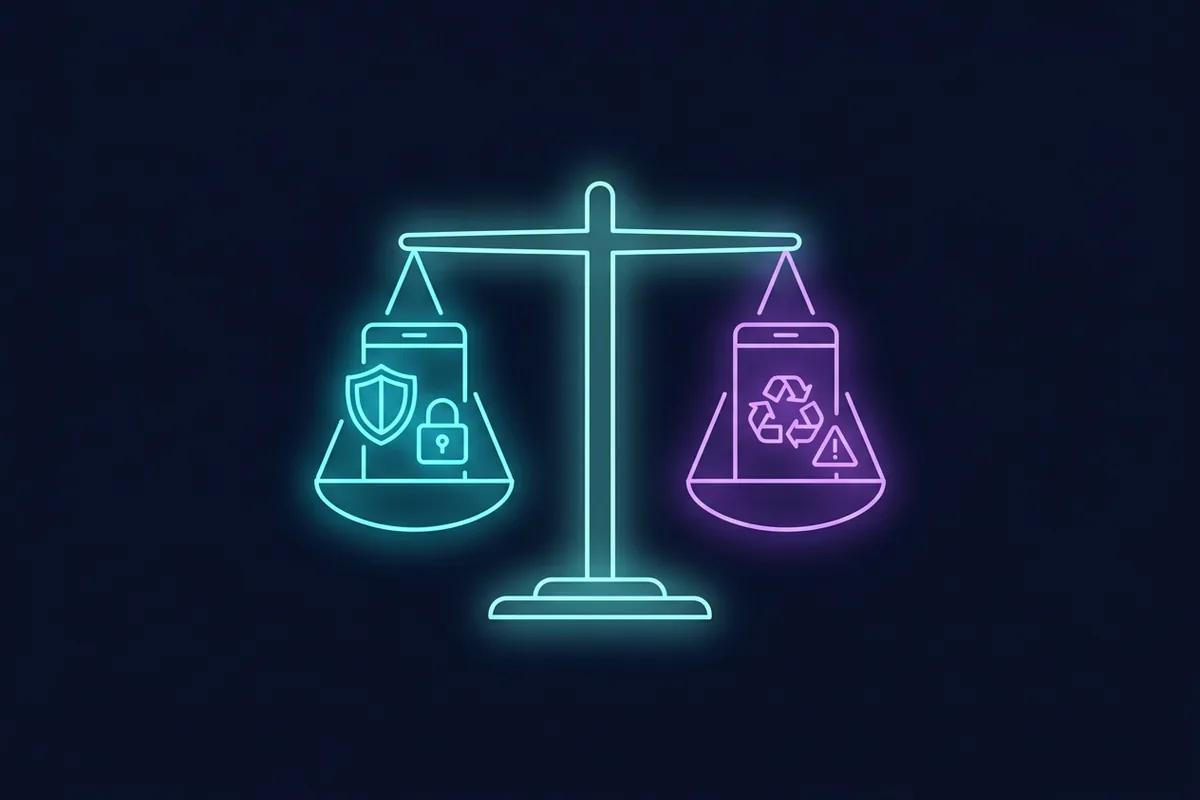
People who search “virtual phone number pros and cons” are usually at the same point: they want to use one, but they are worried about what happens later. Instead of a blanket “safe” or “unsafe”, this page takes each benefit and each risk separately and explains when it actually applies.
First, which kind of “virtual number” do you mean?
The phrase covers at least 3 different things, and they behave very differently:
| Type | What it really is | Receives codes? | Who owns it |
|---|---|---|---|
| Temporary number from an SMS platform | The platform holds the number and lends it to you for one or a few messages | Yes | The platform; it goes back into the pool |
| App or carrier second line | A real number attached to your own account or plan | Yes | You, as long as you keep paying |
| Number generator output | Digits in a valid format that belong to nobody | No | Nobody |
Most of this page is about the first type. The third type has no benefits at all, because nothing can be delivered to it — why generated numbers never receive anything explains it. For the basics of the first two, see what a virtual phone number is.
4 real benefits
1. Your real number stays private
Every form that asks for a phone number is another place your number can leak from. A virtual number keeps your personal number out of marketing lists, data breaches and the hands of strangers you deal with once. How to protect your phone number covers the wider habits.
2. No SIM, no carrier contract, no travel
You do not need a second phone, a second SIM slot or a visit to a foreign carrier. You pick a country and a service online and use the number within minutes.
3. Low cost for one-off needs
A single code delivery usually costs cents. Compared with buying a foreign SIM or keeping a second plan running, it is the cheapest option by far for a task you will do once. What verification actually costs shows how to compare prices properly.
4. Access to numbers from other countries
Some services expect a number from a particular country. A platform with many countries in stock solves that without travelling or opening a foreign account. Does the country code matter? explains when it does.
7 risks to take seriously
1. You cannot recover the account later
If a service asks for a new code months later — a new device, a password reset — a temporary number is long gone. Without another recovery method you may be locked out for good. Account recovery without a phone number covers the alternatives you should set up on day one.
2. The number will be reassigned
Temporary numbers return to the pool. The next person who gets it can receive codes meant for your account if you left it as your only recovery route. This is not hypothetical: in a 2021 Princeton University study, researchers sampled 259 recycled numbers from 2 major US carriers and found 171 of them, about 66%, still tied to a previous owner’s online accounts. Carriers recycle quickly too — in the United States, FCC rules let a disconnected residential number sit unused for no more than 90 days before it is reassigned. Recycled phone numbers and security describes exactly how that goes wrong.
3. Some services refuse VoIP numbers
Many services check the number type and reject internet-based (VoIP) ranges. Real-SIM numbers are accepted more often, which is why they cost more. Real SIM cards versus virtual numbers and what non-VoIP means explain the difference.
4. A reused number carries a reputation
A number that has registered many accounts before can be flagged, so codes never arrive or the account gets restricted early. Phone number reputation explains the scoring behind it.
5. Public “free” inboxes are not private at all
Free receive-SMS websites show every message on a public page. Anyone watching can read your code and take the account. They also fail most of the time, because the numbers are heavily used. Why codes do not arrive on virtual numbers goes through the causes.
6. Terms of service may forbid it
Some platforms require a number that belongs to you. Using a temporary one can be a reason to suspend the account, especially for financial services. Read the rules of the service before you rely on it.
7. It is not anonymous in any legal sense
A virtual number hides your number from the service and from other users. It does not make you untraceable, and it is no protection for anything unlawful.
When to use one, and when not to
Reasonable uses:
- Trying out an app or a free trial you may never open again.
- Keeping your personal number away from a marketplace, a forum or a one-time seller.
- Testing your own product’s SMS flow — an OTP testing checklist is a classic use.
- Receiving a code for a service in a country where you do not have a number.
Do not use a temporary number for:
- Banking, payment apps, crypto exchanges or anything that holds money.
- Your main email, Apple ID or Google account.
- Work accounts, government services, or anything tied to your identity.
- Any account you would be upset to lose next year.
For those, use your own number, a second line you control, or a long-term rental. Activation versus rental explains how a rental differs.
4 habits that cut the risk
- Set a second login method immediately. Add an authenticator app or backup codes as soon as the account exists. Backup codes take 2 minutes.
- Add a recovery email you control, so the number is not your only way back in.
- Move important accounts to your own number early, while you can still sign in.
- Prefer real-SIM numbers from a paid platform over free public inboxes. How to choose an SMS platform lists what to check.
Common questions
Is using a virtual phone number legal? In most places, receiving an SMS on a rented number is legal. What matters is what you do with the account and whether the service’s own terms allow it.
Can a virtual number make calls? Some can, most temporary SMS numbers cannot. Can virtual numbers make calls? explains the difference.
Will a service know it is a virtual number? Often, yes. Number databases show the carrier and line type (mobile, landline or VoIP), and many services check them through lookup providers such as Twilio Lookup before sending a code.
Is a virtual number safer than my real number? It is more private, not more secure. Your real number is better for recovery; a virtual number is better for keeping your identity out of places that do not need it.
Wrapping up
A virtual phone number is a privacy and convenience tool with one big trade-off: you do not keep it. Use it where losing the account would not matter, set up a second way back in on day one, and keep anything involving money, identity or work on a number you control.